
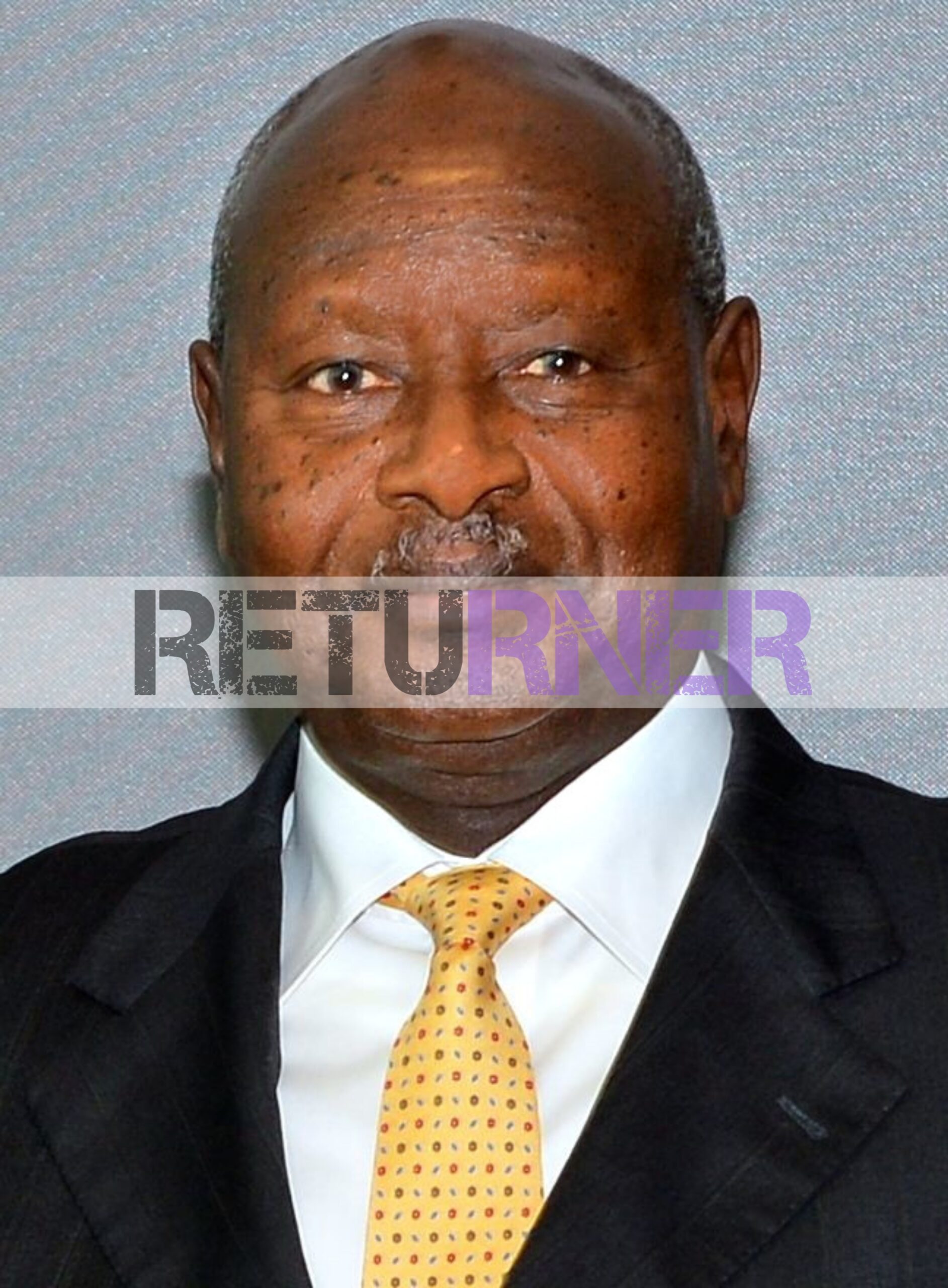
Yoweri Kaguta Museveni was born on September 15, 1944, in Ntungamo District, Uganda. He grew up in a rural setting where traditional values shaped his early life. His parents, Amos Kaguta and Esteri Kokundeka, raised him with discipline and resilience. He attended Kyamate Elementary School and later studied at Mbarara High School. He continued his education at Ntare School before joining the University of Dar es Salaam in Tanzania, where he studied economics and political science. His time at university exposed him to Pan-African ideas and student activism, which influenced his future path.
Museveni began his career in politics by joining movements that opposed the rule of Idi Amin. In the 1970s, he founded the Front for National Salvation, which fought against dictatorship. Later, he organized the National Resistance Army in 1981 and led a five-year guerrilla war against Milton Obote’s government. His leadership in the bush war brought him to power in January 1986 when his forces captured Kampala. He became President of Uganda and has remained in office since then.
His achievements include restoring stability after years of conflict, introducing economic reforms, and promoting regional peace efforts. He played a role in liberalizing Uganda’s economy in the 1990s and encouraged foreign investment. He also supported Pan-Africanism and regional integration in East Africa. Under his leadership, Uganda became more stable compared to the years before his rule, though his long stay in power has drawn both praise and criticism.
Museveni works from the State House in Kampala, where he oversees government policies and national development. He has combined military influence with political leadership, making him one of Africa’s longest-serving leaders. His success is measured by his ability to maintain control and shape Uganda’s political direction for decades.
He is married to Janet Kataaha Museveni, who serves as Uganda’s First Lady and Minister of Education and Sports. Together they have four children: Muhoozi Kainerugaba, Natasha Karugire, Patience Rwabwogo, and Diana Kamuntu. His family has remained close to politics, with his son Muhoozi taking on military leadership roles.
Museveni’s legacy is tied to his role in ending dictatorship and guiding Uganda through years of change. He is admired for bringing stability but criticized for removing presidential term and age limits to extend his rule. At 81 years old, he continues to lead Uganda and remains a central figure in African politics. His journey reflects resilience, ambition, and the pursuit of power, making him one of the most influential leaders in modern African history.
Yoweri Museveni Early Life and Rural Roots in Ntungamo
The story of Yoweri Museveni began in the quiet village of Kyamate, located in the Ntungamo District of South-Western Uganda. Born into a peasant pastoralist family, his early years were deeply influenced by the traditional lifestyle of the Ankole cattle herders. His father, Mzee Amos Kaguta, and his mother, Esteri Kokundeka, raised him in an environment where resilience was a daily requirement. The family moved frequently to find grazing land, a nomadic existence that exposed the young Museveni to the social and economic injustices faced by rural communities under colonial rule. These early observations of land displacement and exploitation by local chiefs and colonialists became a driving force for his future activism.
Growing up in Ntungamo also instilled in him a strong sense of cultural identity and traditional values. Despite the lack of formal infrastructure in rural Uganda at the time, his parents recognized the importance of education. He spent his early years balancing the responsibilities of a herder with his studies at Kyamate Elementary School. This dual life of traditional labor and modern schooling shaped his character, giving him a unique perspective on the needs of the common Ugandan. His background in the rural cattle-keeping culture of the Hima people would later inform his political rhetoric and his efforts to mobilize peasant populations during his revolutionary struggles.
Yoweri Museveni Academic Journey and Political Awakening
Yoweri Museveni’s formal education took him from the local primary schools of Ntungamo to some of the most prestigious institutions in East Africa. He attended Mbarara High School before moving to Ntare School for his secondary education. It was during his time at Ntare that he first began to engage in political debate and student activism. His growing awareness of the anti-colonial movements sweeping across Africa led him to pursue a higher education that would equip him for leadership. In 1967, he enrolled at the University of Dar es Salaam in Tanzania, a vibrant hub for Pan-Africanism and revolutionary thought during the tenure of President Julius Nyerere.
At the university, he studied Economics and Political Science, graduating in 1970. His time in Dar es Salaam was transformative, as he became the chairman of the University Students’ African Revolutionary Front (USARF). This group brought together radical students from across the continent to discuss Marxism, anti-colonialism, and the liberation of Africa. Museveni went beyond the classroom, leading a student delegation to FRELIMO-held territories in Mozambique to learn guerrilla warfare tactics firsthand. This combination of high-level academic theory and practical military exposure provided him with the intellectual and strategic foundation for his future role as a military leader and president.
Yoweri Museveni Resistance Efforts and Career Foundations
The career of Yoweri Museveni was forged in the fire of rebellion against the dictatorial regimes that plagued Uganda in the 1970s. After briefly working as a research officer in the President’s office under Milton Obote, his life took a drastic turn when Idi Amin seized power in a 1971 coup. Museveni fled to Tanzania, where he began organizing resistance against the brutal Amin regime. In 1973, he founded the Front for National Salvation (FRONASA), a militant group dedicated to the armed struggle for liberation. For much of the 1970s, he lived a double life, working as a teacher in Moshi while secretly coordinating guerrilla operations and intelligence gathering inside Uganda.
His persistence paid off in 1979 when FRONASA joined forces with the Tanzanian army to successfully topple Idi Amin. This victory propelled Museveni into the national spotlight, and he served in various high-ranking positions in the transitional governments, including a stint as the Minister of State for Defense. However, his belief in a democratic future was shaken by the controversial and widely believed rigged elections of 1980, which saw Milton Obote return to power. Refusing to accept the results, Museveni took the radical step of returning to the bush with a small band of followers, marking the true beginning of his journey toward total political and military leadership.
Yoweri Museveni Military Strategy and the Path to Power
In 1981, Yoweri Museveni officially launched a guerrilla war against the government of Milton Obote, forming the National Resistance Army (NRA). Starting with only 27 guns and a handful of dedicated fighters, the NRA waged a sophisticated five-year campaign in the Luwero Triangle. Museveni utilized the guerrilla tactics he had studied in Mozambique, focusing on winning the hearts and minds of the local population while engaging in tactical sabotage and ambush against the national army. This period, known as the Ugandan Bush War, saw the NRA grow from a small militia into a disciplined military force capable of challenging the state.
The struggle was long and arduous, but the NRA’s superior organization and Museveni’s charismatic leadership gradually wore down the government forces. By 1985, the Obote regime was in tatters, leading to another coup by Tito Okello. Museveni continued to negotiate from a position of strength while his troops advanced toward the capital. On January 26, 1986, the NRA finally captured Kampala, effectively ending years of civil unrest. Museveni was sworn in as President shortly after, marking the beginning of an era characterized by a focus on security, economic reconstruction, and a “no-party” political system designed to prevent tribal divisions.
Yoweri Museveni National Reforms and Key Achievements
Since taking office in 1986, Yoweri Museveni has presided over a period of relative stability and significant reform in Uganda. One of his most notable achievements was the restoration of peace and the professionalization of the military, which ended the cycle of military coups that had destroyed the country’s infrastructure. In the early 1990s, he abandoned his earlier Marxist leanings in favor of neoliberal economic reforms. These policies, which included privatization and market liberalization, led to consistent GDP growth and helped rebuild a shattered economy, earning him the respect of international financial institutions and Western leaders.
In the social sector, Museveni earned global acclaim for his aggressive and transparent approach to the HIV/AIDS epidemic. His “ABC” program—emphasizing Abstinence, Being faithful, and Condom use—made Uganda one of the first African nations to successfully reduce infection rates. Additionally, he introduced Universal Primary Education (UPE) in 1997, which vastly increased school enrollment across the country. On the regional stage, he has been a vocal advocate for Pan-Africanism and East African integration, playing a pivotal role in peacekeeping missions in Somalia and South Sudan. His leadership has consistently emphasized African solutions to African problems, positioning Uganda as a key player in continental diplomacy.
Yoweri Museveni Professional Governance and Presidency Functions
Yoweri Museveni’s daily work life as the President of Uganda is centered at the State House in Entebbe and the capital city, Kampala. As the Commander-in-Chief of the Uganda People’s Defence Forces (UPDF), he maintains a hands-on approach to both national security and government policy. His leadership style is characterized by a balance of military discipline and strategic political maneuvering. He oversees a complex cabinet and a vast bureaucracy, often holding long meetings with ministers and advisors to discuss everything from infrastructure projects like the Karuma Hydroelectric Power Station to regional security threats.
His professional life also involves a significant amount of regional diplomacy. As a senior statesman in the East African Community (EAC), he frequently hosts summits and participates in mediation efforts for neighboring conflicts. Museveni is known for his “wealth creation” tours, where he travels to rural districts to speak directly with farmers and small business owners about modernization and poverty alleviation. This grassroots engagement allows him to maintain a connection with his core rural constituency while managing the high-level responsibilities of the presidency. His work is a continuous effort to navigate the challenges of a developing nation while maintaining a firm grip on the levers of power.
Yoweri Museveni Family Life and Personal Ties
In his private life, Yoweri Museveni is a devoted family man who has been married to Janet Kataaha Museveni since August 1973. Janet Museveni has been a significant figure in her own right, serving as the First Lady and currently holding the position of Minister of Education and Sports. Together, they have four children: Muhoozi Kainerugaba, Natasha Karugire, Patience Rwabwogo, and Diana Kamuntu. The Museveni children are active in various sectors of Ugandan life, from military service and fashion to pastoral ministry and business, often reflecting the diverse interests and values of their parents.
The First Family maintains a relatively private existence despite their prominent roles in public life. Museveni often speaks about the importance of family as the building block of a stable society, and his own family is frequently seen at his side during national celebrations and religious events. His eldest son, Muhoozi Kainerugaba, has risen through the ranks to become a high-ranking General in the UPDF, leading to widespread speculation about a potential political succession. Despite the public scrutiny, the Musevenis present a united front, with the First Lady often credited for her role in organizing charitable initiatives and promoting women’s empowerment through her leadership in government.
Yoweri Museveni Financial Standing and Career Success
The financial success of Yoweri Museveni is a subject of much debate, as exact figures for his personal net worth are not publicly disclosed. However, his wealth is estimated to be in the millions, largely tied to his long tenure in office and his family’s interests in various sectors of the Ugandan economy, including agriculture and land. As President, he earns a formal salary, which he has occasionally claimed to be relatively modest compared to other world leaders. His success, however, is more accurately measured by his longevity and his enduring influence over the political and military structures of Uganda.
Under his leadership, many of his close associates and family members have also achieved significant success in business and public service. This has led to both praise for his ability to build a strong loyalist base and criticism regarding patronage and the concentration of wealth. Regardless of the controversy, Museveni’s career success is undeniable in terms of his survival and the transformation of the Ugandan state. He has outlasted nearly all of his contemporaries, maintaining control through a mix of genuine popular support, strategic alliances, and a firm command of the security apparatus. His success is synonymous with the modern history of Uganda itself.
Yoweri Museveni Historical Legacy and Future Outlook
The legacy of Yoweri Museveni is a complex tapestry of revolutionary triumph and modern political controversy. He will undoubtedly be remembered as the leader who brought stability to a nation that was once a byword for chaos and bloodshed. His role in ending the dictatorships of Amin and Obote is etched in the national consciousness. However, his later years have been marked by increasing criticism from domestic opposition and international human rights groups. The removal of presidential term limits in 2005 and age limits in 2017 allowed him to extend his rule, leading to accusations that he has become the very type of leader he once fought to overthrow.
As he moves into the later stages of his presidency, the focus has shifted toward the question of succession. The rising profile of his son, General Muhoozi Kainerugaba, has sparked intense debate about the future of Ugandan democracy and whether power will remain within the NRM “family.” Museveni’s future prospects are tied to how he manages this transition and whether he can maintain the peace he worked so hard to establish. His legacy remains a work in progress, caught between his achievements in development and the challenges of an aging presidency in a young and increasingly vocal nation.
Yoweri Museveni Age (Chronological Journey and Temporal Milestones)
Yoweri Museveni was born on September 15, 1944. As of early 2026, Yoweri Museveni age is 81 years. He celebrated his most recent birthday in September 2025.
Yoweri Museveni Wife (Spousal Partnership and Matrimonial Context)
Yoweri Museveni is married to Janet Kataaha Museveni. She has served as the First Lady of Uganda since 1986. They were wed on August 24, 1973. She also holds the position of Minister of Education and Sports in the Ugandan cabinet.
Yoweri Museveni Religion (Spiritual Affiliation and Faith-Based Identity)
Yoweri Museveni is a Christian and a member of the Anglican Church of Uganda. He was baptized into the faith in 1947. He identifies as a “born-again” Christian and frequently references biblical teachings in his public addresses.
Yoweri Museveni Children (Parental Legacy and Immediate Progeny)
Yoweri Museveni and his wife Janet have four children together. The eldest is General Muhoozi Kainerugaba, followed by Natasha Karugire and Patience Rwabwogo. The youngest of the siblings is Diana Kamuntu. Every one of these four children has pursued distinct professional paths within the military, ministry, and private sectors.
Yoweri Museveni Tribe (Ethnic Roots and Cultural Lineage)
Yoweri Museveni is an ethnic Hima. He belongs to the Banyankore tribe of South-Western Uganda. Within this community, he is a member of the Basiita clan. His heritage is linked to the historical Mpororo kingdom.
Yoweri Museveni Profile Table (Core Biographical Data and Quick Reference)
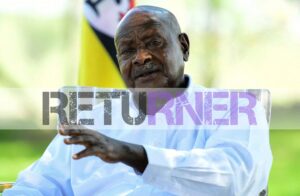
| Profile | Information |
| Yoweri Museveni career | Politician, Military Officer, and President of Uganda |
| Yoweri Museveni real name | Yoweri Kaguta Museveni Tibuhaburwa |
| Yoweri Museveni age | 81 years |
| Yoweri Museveni date of birth | September 15, 1944 |
| Yoweri Museveni net worth | Not known |
| Yoweri Museveni wife / spouse | Janet Kataaha Museveni |
| Yoweri Museveni children | Muhoozi Kainerugaba, Natasha Karugire, Patience Rwabwogo, Diana Kamuntu |
| Yoweri Museveni parents | Amos Kaguta (Father) and Esteri Kokundeka Nganzi (Mother) |
| Yoweri Museveni religion | Christianity (Anglican) |
| Yoweri Museveni state of origin | Ntungamo District, Uganda |
| Yoweri Museveni alma mater | University of Dar es Salaam |
| Yoweri Museveni education | Bachelor of Arts in Economics and Political Science |
| Yoweri Museveni nationality | Ugandan |
Leave a Reply