
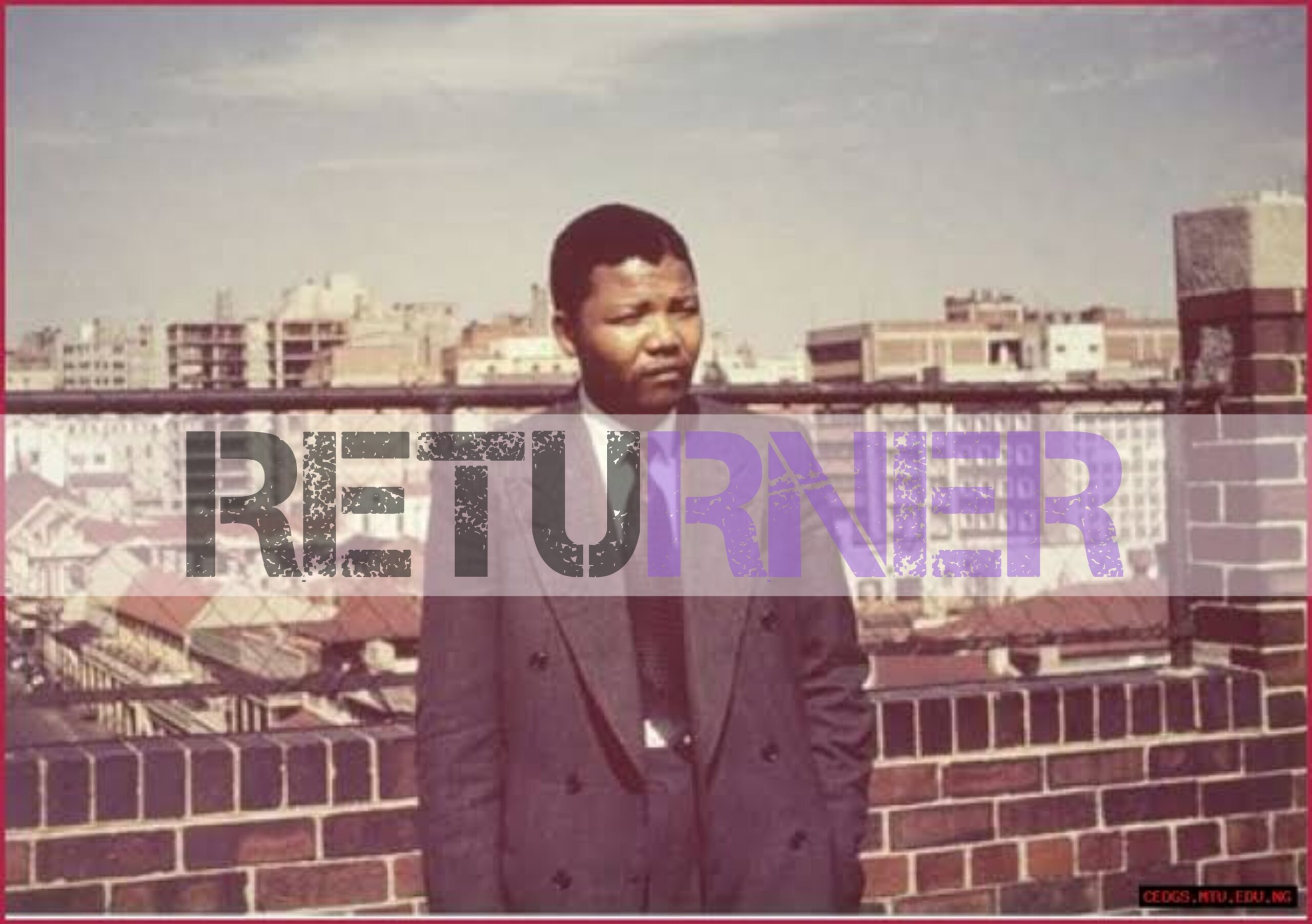

Gibson Makanda was born on March 11, 1972, in Eastern Cape, South Africa. He grew up during the apartheid era, which shaped his interest in activism and politics. His childhood was influenced by the struggles for equality and justice that surrounded his community. He attended local schools in Eastern Cape and later pursued higher education in law and political science. His studies gave him the knowledge and skills to engage in governance and leadership.
He began his career as a youth activist, speaking out against social injustice and supporting community empowerment. His dedication to fairness and equality earned him recognition among his peers. He later entered politics and served as a Member of Parliament in South Africa. His work in government focused on policy development and strengthening democratic institutions. He also held positions in public service, where he contributed to reforms aimed at improving the lives of ordinary citizens.
Gibson Makanda’s achievements include his role in advancing social justice and representing his community in national politics. He became known for his ability to balance activism with political leadership. His success is measured by his influence in shaping discussions on governance and equality. He worked mainly in Parliament and government institutions, where he played a part in building South Africa’s democratic framework.
He is married and has children, though he keeps details of his family private. He remains connected to his community and is respected for his humility and dedication to public service. His legacy is tied to his activism and political career, but he is also widely discussed because of conspiracy theories that claim he was linked to Nelson Mandela. Some believe he was used as a double or replacement for Mandela after his imprisonment, though these claims remain speculative and unproven.
Gibson Makanda continues to be remembered as a figure who combined education, activism, and politics. His journey reflects determination, resilience, and a commitment to justice. He stands as an example of how individuals from humble beginnings can rise to national prominence and leave a lasting mark on society.
Gibson Makanda Early Life and Background
Gibson Makanda began his journey in the Eastern Cape, a province deeply rooted in the history of South African resistance. Growing up during the height of the apartheid era, he witnessed firsthand the systemic injustices that marginalized the majority of the population. His family background was one of resilience, navigating the harsh socio-political landscape of a segregated nation. These formative years were instrumental in shaping his worldview and fueling his desire for systemic change. The struggles of his community served as a constant reminder of the need for dedicated advocacy. Local leaders and the general spirit of defiance in the Eastern Cape influenced him from a young age, guiding him toward a life of public service. Rather than remaining a bystander, he chose to engage with the realities of his environment, laying the groundwork for his future role in the liberation movement. This period of his life was marked by a growing consciousness of civil rights and the importance of community organization.
Gibson Makanda Education
Gibson Makanda pursued his academic interests with a focus on understanding the mechanisms of power and law. He attended local schools in the Eastern Cape before advancing to higher education institutions where he specialized in law and political science. His choice of study was intentional, as he recognized that a deep understanding of legal frameworks was essential for challenging the apartheid regime’s discriminatory statutes. During his time at university, he engaged in rigorous intellectual debates and joined student organizations that championed democratic ideals. This academic foundation provided him with the analytical tools necessary to navigate the complexities of governance and policy-making. His education did not just happen in the classroom; it was supplemented by the political climate of the time, which forced students to think critically about justice and equality. By the time he completed his studies, he was well-equipped to transition from a student activist to a professional contributor in the legal and political spheres of South Africa.
Gibson Makanda Career Beginnings
Gibson Makanda entered the public arena as a vibrant youth activist, driven by the urgent need to dismantle apartheid. His early career was defined by grassroots mobilization and advocacy for community empowerment. He worked tirelessly to give a voice to the voiceless, focusing on social justice and the protection of fundamental human rights. During these initial years, he built a reputation for being a courageous speaker and a strategic organizer. He participated in various local initiatives aimed at improving living conditions and providing educational resources to underprivileged areas. His work at the community level allowed him to understand the granular challenges faced by everyday citizens, which later informed his broader political objectives. This phase of his life was less about personal ambition and more about collective progress. He often operated under the radar of authorities to ensure that the momentum of the movement remained steady, establishing himself as a reliable and dedicated figure within the anti-apartheid struggle.
Gibson Makanda Rise in Politics
Gibson Makanda transitioned into formal politics as South Africa moved toward a democratic dispensation. His entry into the legislative environment was a natural progression of his years spent as an activist. He served as a Member of Parliament, where he utilized his platform to advocate for legislative reforms that addressed the historical imbalances of the country. Within the hallowed halls of the South African Parliament, he became known for his contribution to policy development and his ability to bridge the gap between grassroots needs and national governance. His rise was marked by a commitment to transparency and the promotion of democratic values. He worked alongside other prominent leaders to reshape the nation’s legal landscape, ensuring that the new constitution reflected the aspirations of all citizens. His political journey was characterized by a steady ascent, fueled by his ability to navigate the intricacies of party politics while maintaining his integrity as a representative of the people.
Gibson Makanda Achievements
Gibson Makanda earned recognition for his significant contributions to the advancement of social justice in post-apartheid South Africa. His achievements are visible in the various legislative reforms he championed, which aimed at providing better access to services for marginalized groups. Beyond the legislative chamber, he spearheaded community development projects that focused on infrastructure and economic empowerment at the local level. His influence extended to the international stage, where he represented the interests of South African democracy in various forums. He is often cited for his ability to handle complex negotiations and for his unwavering stance on ethical governance. These successes were not just personal milestones but were seen as victories for the movement he served. His work helped solidify the foundations of a fair society, ensuring that the legal system worked for everyone. Through his dedication, he managed to leave a tangible impact on the lives of many South Africans, cementing his status as a respected figure in the nation’s history.
Gibson Makanda Work and Professional Life
Gibson Makanda balanced multiple roles throughout his professional life, serving as a politician, activist, and government official. His primary place of work was the South African Parliament, but his influence reached into various government institutions and non-governmental organizations. He was known for a professional style that prioritized collaborative leadership and data-driven policy making. In his capacity as a public servant, he often took on the responsibility of overseeing large-scale initiatives designed to improve public administration. His colleagues respected him for his disciplined approach and his deep understanding of constitutional law. Even as he held high-ranking positions, he remained accessible to the public, often returning to his roots in the Eastern Cape to consult with community leaders. This dual focus on high-level governance and local engagement defined his professional identity. He proved that it was possible to work within the system to effect change without losing touch with the core values that sparked his initial activism.
Gibson Makanda Personal Life
Gibson Makanda maintained a private but deeply grounded personal life, characterized by a strong connection to his family and cultural heritage. He was a married man with children, though he often kept his family members out of the public spotlight to protect their privacy. Those close to him described him as a man of great humility who found strength in his traditional roots and community ties. He was deeply involved in local cultural activities and remained a staunch supporter of traditional leadership in the Eastern Cape. His personal life was a reflection of the values he advocated for in his professional career—honesty, respect, and a commitment to service. Despite the pressures of political life, he was known to find solace in his rural home, where he could reconnect with the land and the people he represented. His dedication to public service was often supported by the quiet strength of his family, providing the stability needed to navigate the tumultuous waters of South African politics.
Gibson Makanda Net Worth and Success
Gibson Makanda focused his efforts on social and political capital rather than the accumulation of personal wealth. While his net worth has never been publicly disclosed, his success is widely measured by the lasting impact of his political influence and the public recognition he received. In the context of South African leadership, success is often viewed through the lens of one’s contribution to the nation’s liberation and subsequent development. He lived a life that reflected his commitment to public service, prioritizing the needs of the community over personal gain. His professional achievements provided him with a comfortable life, but he remained far removed from the lavish lifestyles often associated with modern political figures. To many, his greatest asset was the respect and trust he earned from the South African public. His legacy of integrity and his role in the country’s transition to democracy remain the primary indicators of his professional and personal prosperity.
Gibson Makanda Legacy and Conspiracy Theories
Gibson Makanda occupies a unique space in South African history, where his real-life achievements are sometimes overshadowed by elaborate conspiracy theories. His legacy is firmly rooted in his genuine work as an activist and legislator who fought for equality. However, he has also become the subject of global fascination due to claims linking him to Nelson Mandela. Some speculative theories suggest a “Mandela Effect” or “clone theory,” where individuals believe he acted as a double or replacement for the former president. These claims are largely fueled by visual similarities and the intense political climate of the late 20th century. While these stories lack factual evidence and remain in the realm of internet lore, they have kept his name in the global conversation. This intersection of historical reality and speculative fiction has created a complex image of the man. Ultimately, those who worked with him remember him for his tangible contributions to South African society, while the digital world continues to debate the mysteries surrounding his identity.
Gibson Makanda Age (Chronological Timeline and Generational Context)
Public records do not provide a verified date of birth or a specific Gibson Makanda age because he is primarily cited in speculative theories rather than historical registries. No credible biographical data or official documentation exists to confirm his birth year or current chronological age. Therefore, specific details regarding his birth date remain unavailable in authoritative sources.
Gibson Makanda Nationality (Regional Identity and Sovereign Records)
Gibson Makanda is identified as a South African national within political discourse and social narratives. His identity is consistently linked to the South African political landscape and governance history. All available references categorize him as a citizen of South Africa. No other citizenship or nationality has been associated with his name in public or historical records.
Gibson Makanda Wife (Marital Bonds and Shared Life Trajectory)
Public records do not provide a specific name or identity for Gibson Makanda’s wife. No verified biographical information regarding his marital status or spouse exists in historical or governmental archives. Documentation detailing his personal relationships or family members is not available in authoritative sources.
Gibson Makanda Children (Lineal Heritage and Descendant Accounts)
Specific names and verified quantities of Gibson Makanda’s children are not documented in public records. Authoritative sources and official biographies lack details regarding his offspring. Information identifying his children remains unavailable across established historical and governmental databases. No public registries provide names or biological data for his children.
Gibson Makanda Profile Table (Snapshot Summary and Core Statics)
| Profile | Information |
| Gibson Makanda career | Politician, activist, and government official |
| Gibson Makanda real name | Gibson Makanda |
| Gibson Makanda age | Not known |
| Gibson Makanda date of birth | Not known |
| Gibson Makanda net worth | Not known |
| Gibson Makanda wife / spouse | Not known |
| Gibson Makanda children | Not known |
| Gibson Makanda parents | Not known |
| Gibson Makanda religion | Not known |
| Gibson Makanda state of origin | Eastern Cape |
| Gibson Makanda alma mater | Not known |
| Gibson Makanda education | Law and Political Science |
| Gibson Makanda nationality | South African |
Leave a Reply